
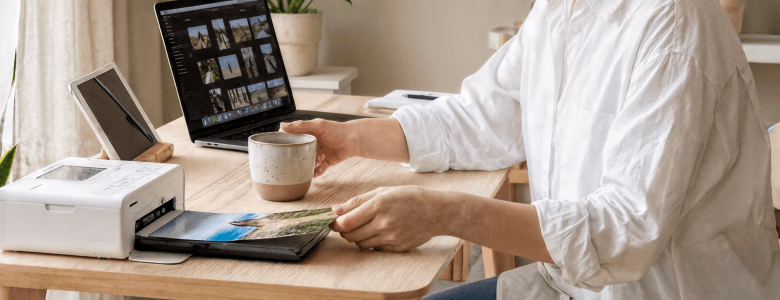
Going for custom art prints online has become a common choice for artists, businesses, and even everyday users. It’s quick, easy to manage, and gives you plenty of options when it comes to formats and finishes. But while the process may seem simple, getting a high-quality print requires a bit of planning.
From choosing the right file format to selecting the right material, every step determines how your final print turns out. This guide will walk you through everything you need to know so you can order with confidence.
Why Online Art Printing is so Popular
Online art printing services have made it easy to turn digital designs into physical prints. You no longer need to rely on limited local options. Instead, you can customize everything from size to finish in just a few clicks.
One of the biggest advantages is the variety. Whether you are printing artwork, branding material, or photographs, you can choose exactly how you want it to look.
For example, custom poster prints work well for both home decor and promotions because they’re so versatile. You can also place orders anytime, compare different options, and preview your design before it goes to print.
How to Order Custom Art Prints Online
If you are new to the process, understanding how to order custom art prints online can make things easier.
Make sure your file is ready to go. Check the format and then choose the size and material. Think about where you’ll use the print. That will help you decide what works best.
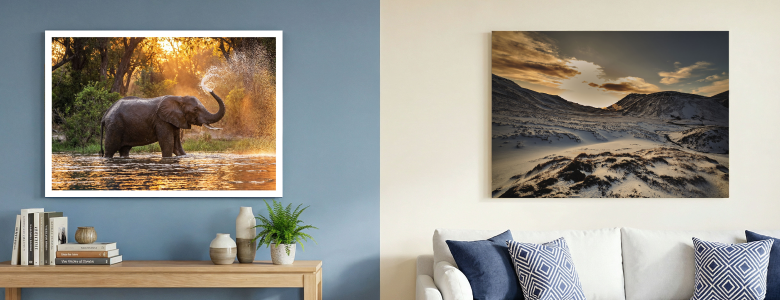
If you’re looking to create a statement piece for your wall, custom canvas prints are a great choice. They have a more complete look and usually don’t need a frame. If you prefer something easier to switch out, paper prints work better. Just make sure to review everything carefully before placing your order.
- Choosing the Right File Format
One of the most common questions is what file format is best for art printing. The answer depends on your artwork and the level of detail involved.
JPEG and PNG formats are widely accepted and work well for most prints. They are easy to upload and handle basic designs without issues. However, if you are working with detailed artwork or professional designs, PDF or TIFF files are a better choice.
These formats hold onto more detail and keep colors closer to the original. That matters when you want to print digital art professionally and have the final print look the way you intended.
Always check your file size and quality before uploading. A low-quality file will affect your print, no matter how good the printing service is.
- Resolution and Print Quality
The best resolution for printing artwork is usually 300 DPI. This ensures that your print comes sharply and clearly.
Many people overlook this step. An image that looks good on screen may not print well if the resolution is too low. Pixelation and blurriness are common issues when resolution is ignored.
Before placing your order, zoom in on your design and check for clarity, detailing and sharpness. This is especially important when ordering photo prints.
How to Choose Paper for Art Prints
Matte paper gives a soft, non-reflective finish. It works well for subtle designs or prints with a lot of text. Glossy paper is different. It brings out colors and adds a bit of shine, which makes it a good fit for bright artwork or photos.
If you want a more artistic look, textured paper works well. It adds depth to the print. Your choice should match the purpose and the final feel you’re going for.
If you are looking for a cost-effective option, economy poster prints are practical for everyday use. They are ideal for casual decor or short-term displays.
Canvas vs Paper Art Prints – Which is Better
Canvas prints have a strong build and a more refined feel. They’re ideal for wall displays and can be used without frames. The textured surface works well for artwork.
Paper prints are more versatile, and easy to frame, store, and replace. This makes them a good option for those who like to update their decor frequently.
If you want something modern and sleek, custom acrylic prints are another option to consider. They offer a glossy, polished finish that stands out.
Tips for Ordering Prints Online
Here are a few simple tips for ordering prints online to avoid common mistakes.
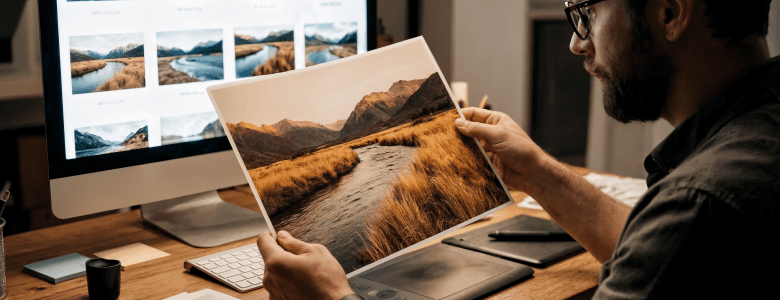
Always preview your design before placing an order. Check alignment, margins, and colors carefully. Make sure the dimensions match your requirements.
If you are unsure about the final output, start with a sample print. This allows you to test quality before placing a larger order.
For businesses or bulk needs, bulk printing services can help reduce costs and maintain consistency across all prints.
How to Print Digital Art Professionally
Start with a high-resolution file. Use the correct color settings to ensure accuracy. Choose a material that complements your artwork rather than overpowering it.
Consistency is also important. Working with reliable online art printing services ensures that your prints maintain the same quality every time.
Over time, you will develop a better understanding of what works best for your style and audience.
Making the Most of Custom Photo Prints
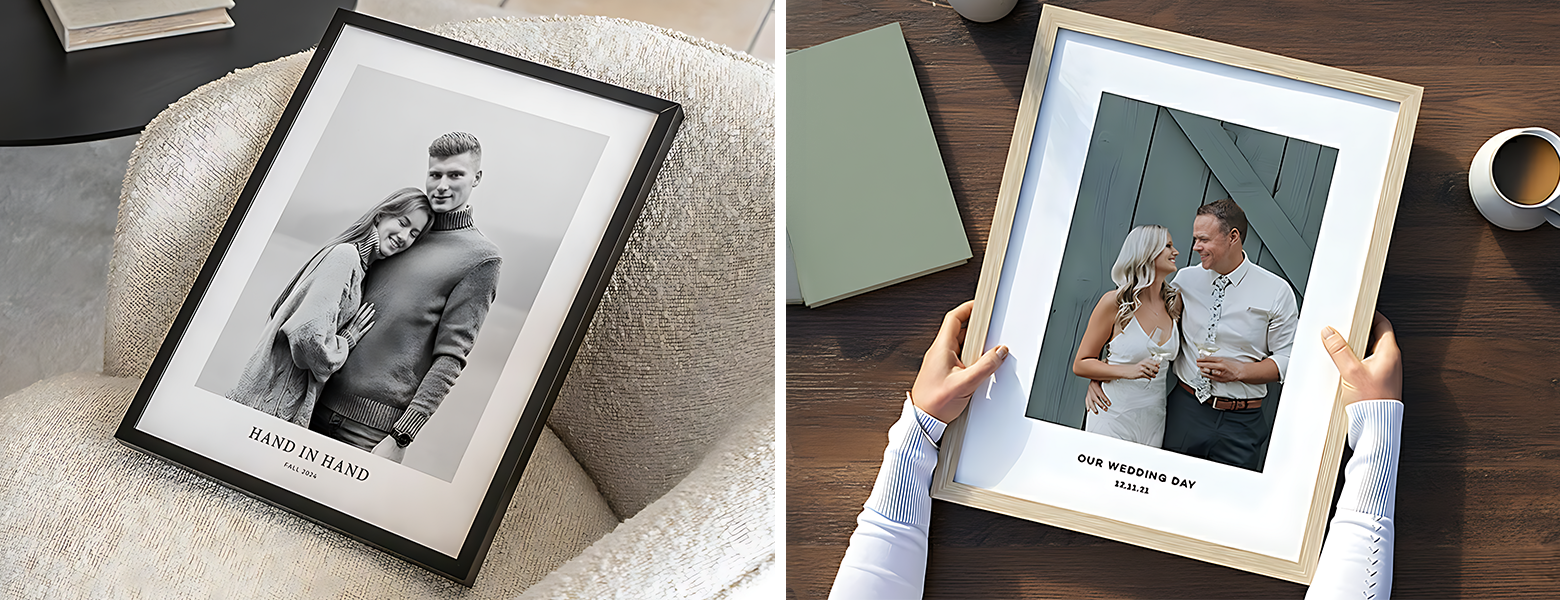
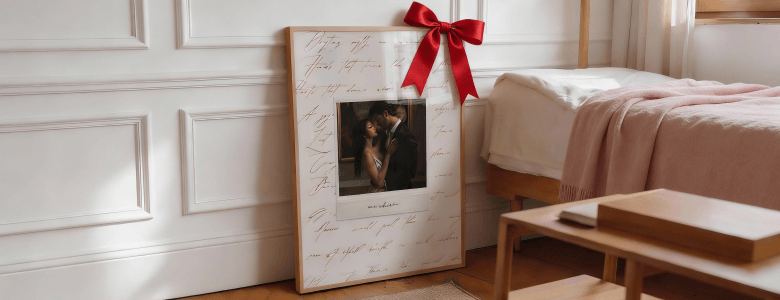
Ordering custom photo prints online is not just about printing images. It is about preserving moments and creating something meaningful.
Choose images with good lighting and clarity. Avoid heavily compressed files. Select a format that suits your purpose, whether it is for framing, gifting, or display.
Small details like paper finish and size can make a big difference in how your photos look once printed.
Conclusion
Ordering custom art prints online does not have to be complicated. It becomes easier once you understand the basics.
Focus on file quality, resolution, and material selection. Take your time to review your design before placing the order. Small steps like these can make a big difference in the result.
Whether you are printing artwork, marketing material, or custom photo prints online, the right approach will help you get professional results without unnecessary stress.


No Comments