
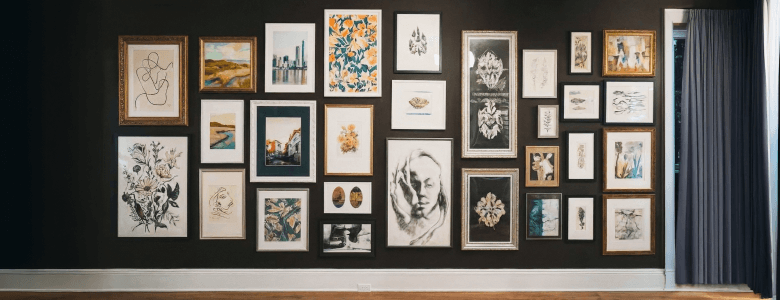
A fresh year invites a thoughtful edit of the things that frame daily life. This January declutter guide focuses on wall art because walls can silently collect years of choice. Clearing visual clutter restores attention to the pieces that deserve it. Replacing old art, refreshing frames, and updating layouts can change how a room feels without a full renovation. A clear process prevents indecision and reduces waste. The goal is purposeful curation rather than sweeping removal. This approach allows you to keep what matters, store what may return, and replace what no longer fits.
Assess What Belongs Your Walls
Begin the process by taking a calm, critical look at every piece on display. Walls reflect taste and memory, and a short assessment helps reveal which pieces still serve the room. Use straightforward home art organization tips to guide choices and avoid emotional overwhelm. The result should be a collection that supports living rather than competing with it.
- Walk the room and photograph each wall for an honest view of scale and balance.
- Note pieces that feel faded or disconnected from current decor.
- List works that carry strong emotional value even if they no longer match the room.
- Identify prints and posters such as Posters that are seasonal or holiday specific.
Decide What to Keep, Store, or Replace
Making choices becomes easier when you apply consistent criteria. This section offers a simple decision framework that aligns with the January declutter guide for purpose. Knowing why a piece stays reduces second guessing and streamlines the process. A short rules list helps maintain momentum and clarity.
- Keep work that balances color, scale, and content in the space.
- Store items that resonate but do not fit current layouts or palettes.
- Replace damaged or trend driven pieces that no longer reflect personal style.
- Consider investing in higher quality Photo & Art Prints for long term value.
Know When to Replace Prints and Frames
Replacing art and frames is about timing and intent, not impulse. Learning when to replace art prints prevents clutter from becoming a habit. Replacing a print can refresh an entire wall when done with purpose and restraint. Frames deserve equal attention because they shape perception.
- Replace prints that show sun damage, water marks, or fading.
- Upgrade frames when original framing distracts from the work.
- Swap trend heavy prints for more timeless compositions when appropriate.
- Consider Canvas Prints for textured, gallery style presence.
Refresh Frames Without Replacing Art
A frame update can be the quickest route to a fresher look. Many prints regain authority simply by receiving a cleaner, more appropriate surrounding. Understanding the best way to refresh old frames saves money and preserves sentimental pieces. Small changes often yield disproportionate benefits.
- Remove glossy or ornate frames and select streamlined profiles.
- Recut or replace mats to give images more breathing room.
- Refinish wooden frames or choose neutral metal frames for cohesion.
- Pair refreshed frames with Acrylic Prints when clarity is a priority.
Rethink Layouts for Balance and Flow
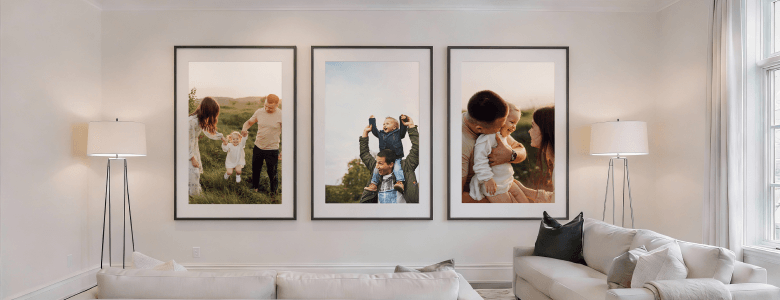
Good composition on a wall mirrors strong room composition. Rearranging frames changes sight lines and focal points. A well-planned layout answers the question of how to update gallery walls in ways that improve flow and reduce clutter. Intentional spacing amplifies the impact of each piece.
- Start by centering a new focal piece and arrange supporting works around it.
- Keep consistent spacing between frames to create calm and order.
- Mix sizes thoughtfully rather than forcing uniformity for its own sake.
- Explore Splits & Clusters to create movement without overcrowding.
Store Art Properly for Rotation and Safety
Not every piece belongs to the wall all year. Responsible storage allows safe rotation and prevents damage. The following storage tips for art prints and photos extend the life of valuable work. Properly stored art returns in better condition when seasons or tastes shift.
- Use acid free sleeves and archival boxes for loose prints and photos.
- Store framed art upright rather than stacking flat to avoid pressure damage.
- Keep stored items in cool, dry spaces away from direct light.
- Pack fragile signage like Signs & Banners with extra padding for longer term storage.
Update Wall Art After the Holidays and With the Seasons
A seasonal reset simplifies the transition from festive displays to everyday calm. This section functions as a guide to updating wall art after holidays and offers gentle steps toward a year-round look. Seasonal edits need not be dramatic to be effective.
- Remove holiday specific prints and replace them with neutral pieces.
- Introduce subtle seasonal accents that complement rather than dominate.
- Rotate smaller works to keep interest without creating visual noise.
- Swap large installations or banners with lighter options like Vinyl Banners when appropriate.
Embrace Minimalism to Highlight Meaningful Pieces
Minimalism for art walls means selecting with purpose rather than erasing personality. Thoughtful restraint allows the strongest works to breathe and speak. Consider minimalism tips for art walls that support clarity while preserving warmth.
- Limit the number of wall groupings and let negative space enhance each piece.
- Choose a restrained color palette to tie diverse pieces together.
- Opt for a few high-quality works over many lower quality items.
- Use modern mounting such as Floats & Wraps to present work cleanly and confidently.
Pair Updated Art with Simple Room Refreshes
A frame update or a new layout often pairs well with modest changes elsewhere. The integrated approach produces a cohesive transformation that feels intentional rather than piecemeal. Use refresh wall décor ideas to influence textiles, lighting, and accessory choices.
- Pull accent colors from art into pillows or rugs for small but effective ties.
- Adjust lighting to highlight new focal points and reduce glare.
- Replace dated signage or foam displays with refined options like Foamcore Signs.
- Rebalance furniture placement to ensure art finds its natural audience.
Practical Checklist for Your January Art Edit
A checklist keeps the process organized and satisfying. This final section targets art and frame decluttering with actionable steps to complete your edit. Use these items to finish decisively and confidently.
- Photograph walls to document the before and after.
- Make three piles labeled Keep, Store, Replace and sort quickly.
- Measure wall spaces for potential replacements before shopping.
- Rehang with attention to sight lines and consistent spacing.
- Label packed artwork, so rotation remains simple and intentional.
- Consider professional framing for valuable work and invest in Coroplast Signs only when needed.
A Fresh Start for Your Wall Art
A focused January edit of wall art does more than tidy surfaces. It refreshes the visual language of the home and clarifies what truly matters. Replacing old art, updating frames, and reworking layouts all contribute to a calmer, more purposeful space. Thoughtful storage protects cherished pieces while seasonal rotation keeps the environment lively. Use this January declutter guide as a method rather than a single event. Small, deliberate changes lead to lasting differences. When walls reflect careful choices, a home feels restored and ready for the year ahead.



No Comments