
Photography is moving into a quieter era in early 2026. The pace of visual trends is shifting toward substance and longevity. Creators and clients are asking how an image will live on a wall as much as how it will perform on a feed. This change frames much of the conversation about photography trends 2026. Practical choices about format, edit, and print are guiding creative decisions. Style is leaning into texture, warmth, and restraint. The result is work that feels intentional and made to last.
Below are six focused trends that are shaping the field right now. Each section explains why the trend matters, how practitioners are adopting it, and how it translates into display choices. These ideas reflect both online discussion and observable shifts in galleries and print shops. The aim is to offer a clear playbook for photographers, curators, and collectors looking to stay current in early 2026 photo trends.
Panoramic Formats Are Redefining Visual Storytelling
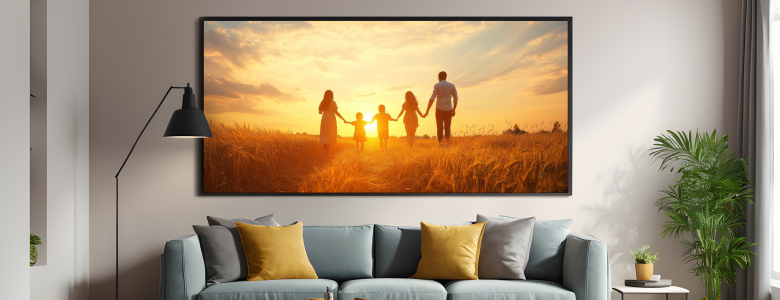
Panoramic work is expanding beyond classic landscapes into interiors, street scenes, and editorial images. Wider frames invite viewers to move their eyes across a scene instead of landing on a single point. This approach suits modern interiors and supports the demand for immersive visuals. The rise of panoramic photography trends also corresponds with growing interest in large panoramic print trends for public and private spaces.
- Wider aspect ratios that encourage visual exploration.
- Compositions built for continuity rather than isolated detail.
- Use across genres from architecture to portraiture.
- Printing and framing choices that honor the length and flow.
Panoramic images work especially well when presented as Splits & Clusters or as a single statement piece in custom wall art setups. Fragmenting a wide image across panels can create rhythm while preserving the original sweep.
Film Inspired Editing Brings Emotional Depth
Editors are trading purely clinical adjustments for looks that nod to analog films. These choices favor mood and human presence over a flawless digital aesthetic. The film inspired approach softens contrast, refines color curves, and preserves subtle tonal relationships. Photographers across genres are adopting film style photography edits as part of their signature.
- Gentle highlights roll off to avoid clipped whites.
- Mid tone shaping that keeps skin natural and warm.
- Reduced micro contrast to soften digital edges.
- Series level consistency so entire projects read as one body of work.
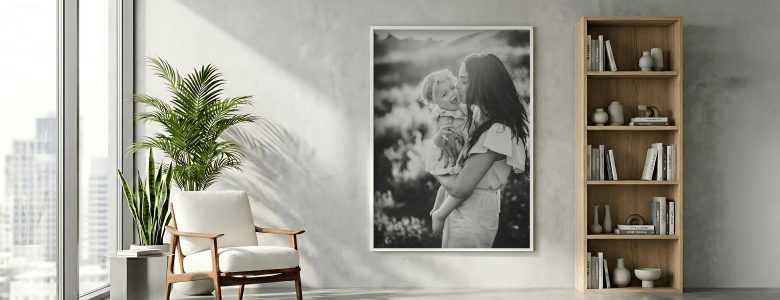
Such edits translate beautifully to material choices. Fine grain and film tones work with canvas prints for a tactile look and with fine art prints when archival depth is required. The editing process is increasingly matched to the intended print finish.
Warm Grain Returns as a Tactile Texture
Grain is no longer a flaw to remove. Instead, it is a deliberate texture that adds presence and depth. The warm grain photo effect complements film inspired color and muted palettes. It gives prints an analog feeling that many viewers now find appealing. Grain choices vary by project, but the goal is the same. They add a human scale to digital images.
- Subtle grain overlays tuned tonal range.
- Warmer overall color temperatures to unify mood.
- Grain consistency across series for archival displays.
- Selective application to keep key details readable.
When printed, grain becomes a physical feature. It enhances acrylic prints by softening glare, and it can lend character to poster printing where cost effective reproduction meets crafted aesthetics.
Muted Palettes Set a Calm Visual Language
Bold saturation is giving way to restrained color. Muted palettes are becoming a visual shorthand for quiet confidence. These palettes make images adaptable to interiors and display contexts. They also make collections feel cohesive and mature. The trend toward softer color choices shows up across many of the trending aesthetic photography 2026 conversations.
- Earth tones and softened pastels for broad appeal.
- Reduced saturation without loss of value contrast.
- Color consistency across a series or brand.
- Subtle accent tones to guide the eye.
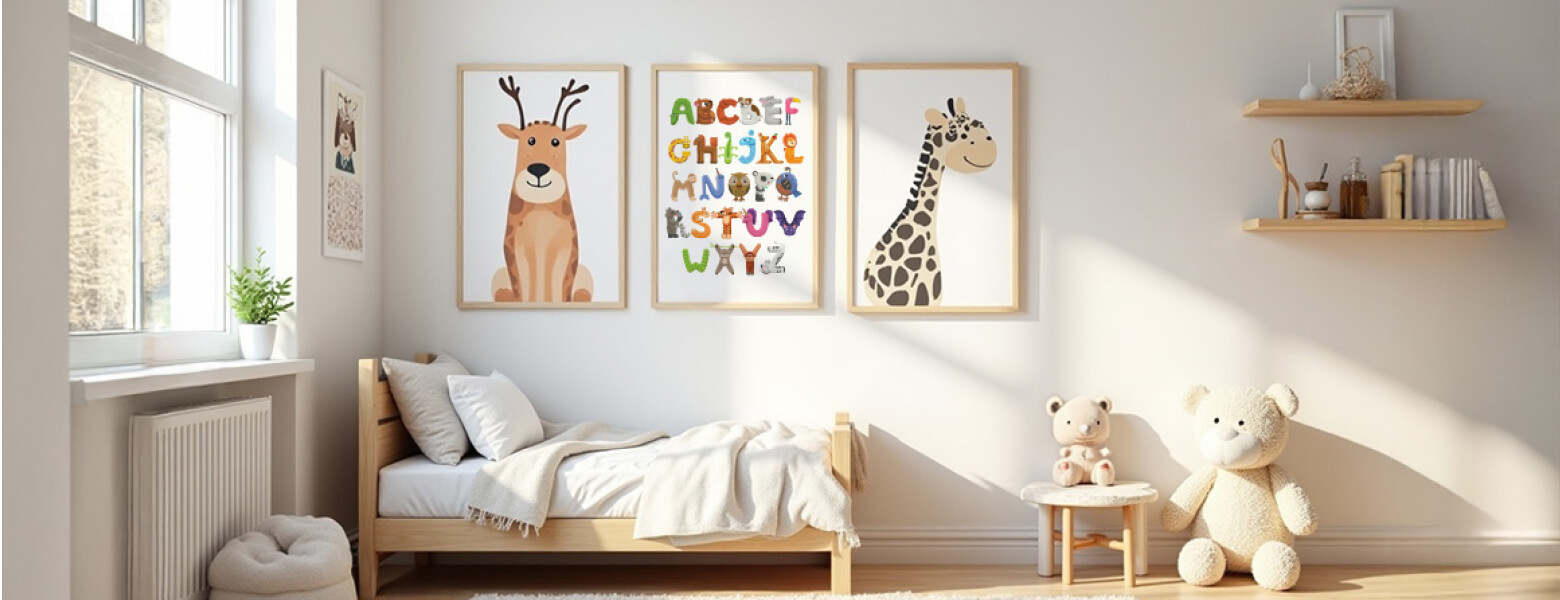
Muted work tends to pair well with custom photo prints that are designed to integrate with decor. Galleries and retailers are also choosing finishes that emphasize texture rather than surface shine.
Editing For Print Connects Digital and Physical Workflows
Photographers are planning edits with prints in mind more than ever. Screen previews only tell half of the story because paper and acrylic change perception. This practical shift is central to current printing photography trends. It is influencing color management, proofing practices, and final output decisions. Photographers who test prints early avoid surprises at the finish line.
- Soft proofing for specific substrates and profiles.
- Early test prints in the intended display size.
- Finishes chosen to enhance the image mood.
- Workflow templates that include print considerations from the start.
Presentation formats such as Floats & Wraps or museum style framing have a direct impact on editing choices. The goal is to ensure that an image reads the same in the studio, online, and on a wall.
Wall Scale and Display Choices Are Shaping Shooting Habits
The way images will be displayed now influences how they are shot. Photographers are thinking about room scale, furniture, and wall architecture during pre-production. This attention to display considerations affects both composition and capture choices. The result is work that is ready to be realized as canvas prints, acrylic prints, or fine art prints without heavy alteration.
- Capture with display size in mind to maintain clarity.
- Compose for negative space that complements wall proportions.
- Build series that can run across multiples or stand alone.
- Consider the viewing distance when deciding on detail level.
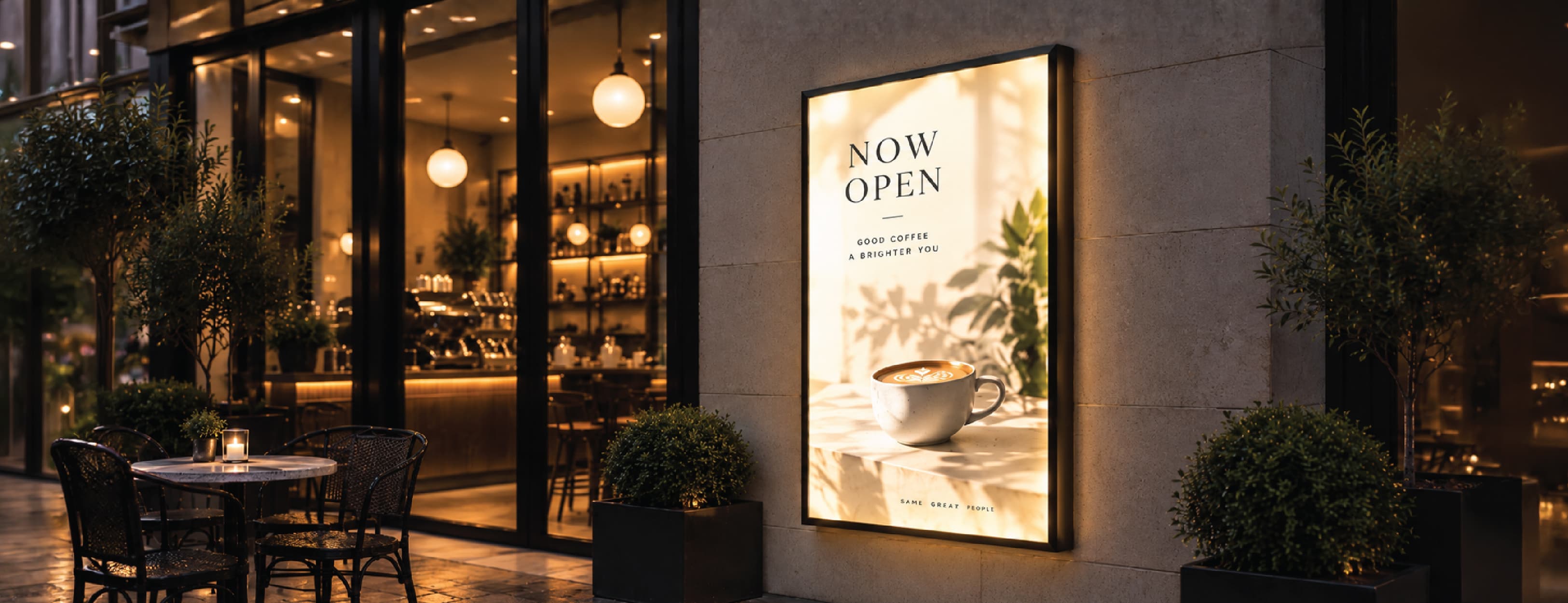
Large formatted panoramas and statement pieces are fueling demand for specialist output. Shops that offer poster printing alongside archival options help photographers meet both commercial and collector needs.
Practical Steps for Photographers Embracing These Trends
Adopting these trends does not require a complete overhaul of practice. Simple shifts in intent and process can produce work that feels on trend and lasting. The following steps provide a practical entry point.
- Plan edits with a print profile in mind before final export.
- Create presets that favor film inspired tonality and warm grain.
- Test panoramic crops during capture using framing guides.
- Build series with color cohesion to support wall installations.
- Work with printers who offer samples or proof sheets.
- Document final presentation decisions for repeatable results.
These tactical moves help bridge the gap between making images and making readable, durable art. They increase the odds that a project will look intentional everywhere it appears.
A Thoughtful Direction for Photography In 2026
The most important shift in early 2026 is not a single look. It is an attitude toward permanence. Photographers are choosing formats, edits, and finishes with the life of the image in mind. Panoramic invite time and presence. Film inspired edits and the warm grain photo effect bring texture and emotion. Muted palettes offer calm cohesion that suits both private homes and public spaces. When editing and printing are treated as a single continuum, images move confidently from capture to wall. The result is work that is less about trend chasing and more about making images that feel necessary. Each photograph that follows these ideas will hold its place whether it is shown online or framed as custom wall art in a living room.



1 Comment
Nice post